

Many business owners see their fleet as an evil. Trucks are expensive to run. Drivers eat through fuel. Trucks break down when you least expect it. However saphyroo, this is where the difference lies — a poorly managed fleet does not drain money silently. It sounds like it is bleeding loudly, constantly and often at the same time.
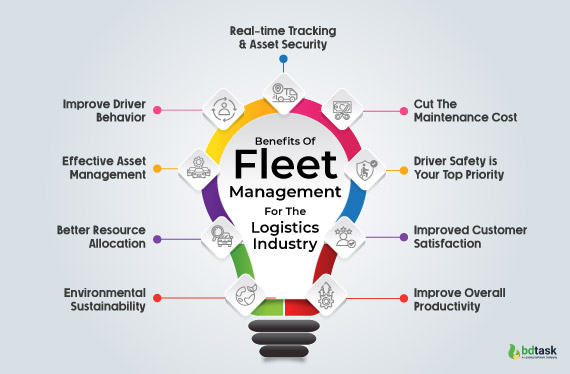
Behind every business that moves goods, people, or services is fleet management. Get it right, and your cars become a smoothly running cash generator. Make a mistake and you have an endless game of Whac-A-Mole with money.
And where most of the companies fail then?
They fly blind. No real-time tracking. No maintenance schedules. No fuel usage reports. Nothing but hope and assumptions. One driver calls in with a broken-down truck on the highway and the whole day falls apart. That's not misfortune — that's poor planning dressed up as bad luck.
Once real-time GPS tracking became accessible, everything changed. You can now check the location of all the vehicles at any given time. Off-route trips are flagged immediately. Unplanned stops are monitored. Downtime, which is just wasted expense, gets measured and cut. Companies that adopt real-time tracking regularly see 10–15% reductions in fuel costs. That's no small number. That's someone's annual wage.
Preventive maintenance is another massive opportunity businesses consistently miss. Waiting until something fails to fix it costs three to five times what proactive maintenance would. A standard oil change runs about $60. Engine rebuilds can cost $6,000 or more. The math speaks for itself.
The advanced fleet management software issues automatic alerts when a vehicle exceeds a specific mile limit or an anomaly is detected by sensors. There's no need for a skilled mechanic to guess what might go wrong. The software handles it automatically.
Here's where things get personal: driver behavior.
Monitoring employees is never a popular idea. But the data doesn't lie. Harsh braking, aggressive acceleration, and frequent speeding all increase accident risk and destroy fuel efficiency. It takes a driver 40 times a day to brake hard, not just wearing away brake pads, but a menace on the road.
One distribution company analyzed driver conduct over 90 days across their entire 50-vehicle operation. When the data came in, three drivers had generated 60% of all the excess fuel costs. Three people. Out of fifty. Coaching those three drivers saved the company $18,000 in fuel annually. Zero layoffs, zero drama — just clear data and an honest discussion.