

There comes a moment where you talk about a character which you imagined in your mind for so long, and which an AI merely generates. Not so much, but close enough to leave you speechless ai anime generator no filter.
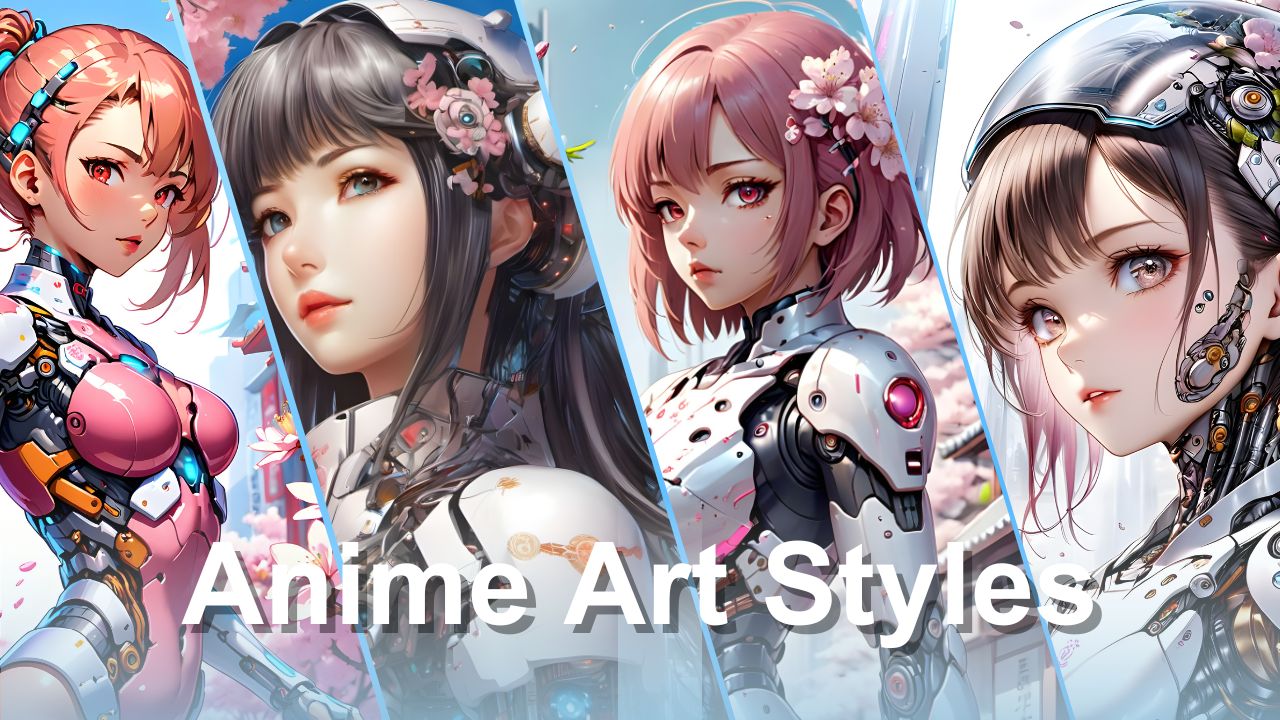
This is the magic of AI anime generators, and it is a pretty big deal.
Let's face it. Most of us can't draw. We gave it a shot during quarantine, filled notebooks with potato-shaped heads and gave up the dream. This is where AI anime tools come in which nobody thought would exist.
But how do these tools actually work?
Most AI anime generators are trained on deep diffusion models — in other words, the AI is trained by analyzing thousands of existing anime images learning what makes a face look like an anime face, or what makes lighting feel like a Makoto Shinkai film. It is a staggering level of pattern recognition.
Some are even more — like NovelAI or Stable Diffusion fine-tuned to anime. You can use prompt engineering: feed in the art style, color palette, or even the expression on the face. Pastel tones, sad eyes, cherry blossoms drifting down — and away it goes.
Then there are tools, like Adobe Firefly or Midjourney, that are more artistic. They're not anime-specific, however, but can still provide beautiful cel-shaded effects when pushed correctly.
Your prompt is everything. Seriously.
Anime aesthetics won't come from a vague description. It is simply equivalent to providing a chef with a single piece of food and asking them to give a tasting menu. The people getting the best results are now treating prompts as a craft art — elaborate lighting descriptions, referencing specific studios, specifying the thickness of the lines.
Full body, soft light, Studio Trigger, white school uniform, golden hour background, very detailed — that's what a real prompt looks like.
There are small but dedicated community pockets trading prompt strategies like secrets holo rares are shared among card collectors. They're intense, and honestly, watching them work is kind of inspiring.
What is this what people are using it for?
A lot more than you'd guess. Developers are designing concept art for characters without paying for every individual design. Webtoon artists are experimenting with AI-based panel layouts and leaning into it. It has fans who make pictures to reference to the characters in their fanfiction — which is a whole scene, and they're serious about it.
A designer I spoke with had been working on her fantasy novel for six years. She could never quite visualize her protagonist clearly. One afternoon, an AI anime generator and she finally had a glimpse of her character. It alleviated two years of writer block, according to Said.
That's not nothing. That's genuinely powerful.
It's not all glitter and bloom though.
There's real ethical complexity here. Most of these models were trained on scraped images from sites like Danbooru or Pixiv — a place which artists have been posting images on long before realising that one of their creations will eventually drive a machine.
Some artists are furious. And so, right or wrong, as you see it. Others have gone as far as to start to use AI as a brainstorming partner when they do final linework themselves. The responses vary widely.
Then there's the quality ceiling issue. Hands. Toes. Complex backgrounds. AI still struggles with these — sometimes slightly, sometimes catastrophically. The 6 finger hand that was supposed to look graceful is not the vibe.
So what's next?
Fast. That's the honest answer. Character consistency — the reproduction of the same character in a sequence of pictures — has been very much superior this year. Tools like Fooocus and Kohya training on the LoRA let you lock in a specific style and maintain it across scenes.
Video is the frontier. Already, the generation AI anime video clips circulate. Rough around the edges, sure. But last year they were just blurry slideshows. Now? Sometimes you'd swear a small studio made them.