

For adults, learning a second language is like learning how to assemble furniture without the instructions. Technically possible, but extremely frustrating extra resources. Children, however, absorb language like a sponge in a swimming pool.
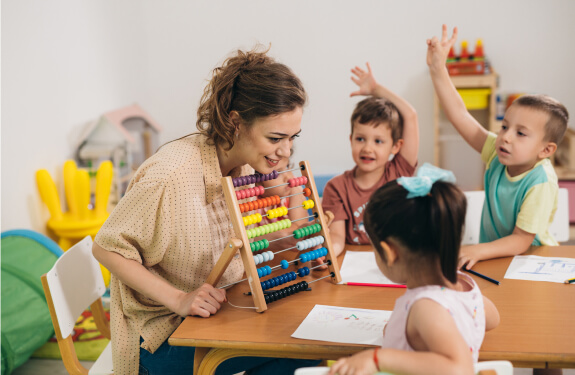
This is what is driving the Spanish immersion program among preschool and kindergarten children in Walnut Creek to grow rapidly among the community.
Many parents don’t realize this until it’s too late: the critical period for language learning is ages 2 to 7. During these years, the brain is literally hardwired differently. Children absorb sounds, rhythms, and grammar effortlessly, without the self-consciousness adults experience.
This is especially relevant in Walnut Creek. Given the significant Spanish-speaking population in the Bay Area and California, raising bilingual children is both a cultural and economic investment.
A Spanish preschool program is far more than flashcards and counting to diez. The best programs use language naturally throughout the day. Activities like snack time, storytelling, playtime, and singing make learning stick. They absorb language through repetition without effort.
By kindergarten, this development accelerates significantly. With one to two years of immersion, kids no longer mentally translate. They process thoughts in Spanish—another way of thinking.
Parents often ask: “Could this confuse my kid?” The short answer is no. Studies confirm that bilingual children gain enhanced mental flexibility, are stronger problem solvers, and become strong readers in their primary language.
A mother in Walnut Creek once said: “By Thanksgiving, my daughter was correcting my pronunciation. I was humiliated and proud.”
The social impact is significant as well. Children in immersion programs develop a natural curiosity about culture. They wonder about traditions, foods, and language variations. That interest stays with them for life.
Programs in Walnut Creek come in different formats. Certain schools use complete Spanish immersion. Others use a dual-language model—half English, half Spanish, which works well for families who don’t speak Spanish fluently. There is no single “right” approach—it comes down to your child’s needs and preferences.
Cost is often part of the conversation. High-quality bilingual education in the Bay Area is rarely inexpensive. Still, families often view it as a valuable investment. College prep? One step ahead. Professional benefits? Without question.